Mable

Mable

Leading a remote 20 person design team working across 5 product teams

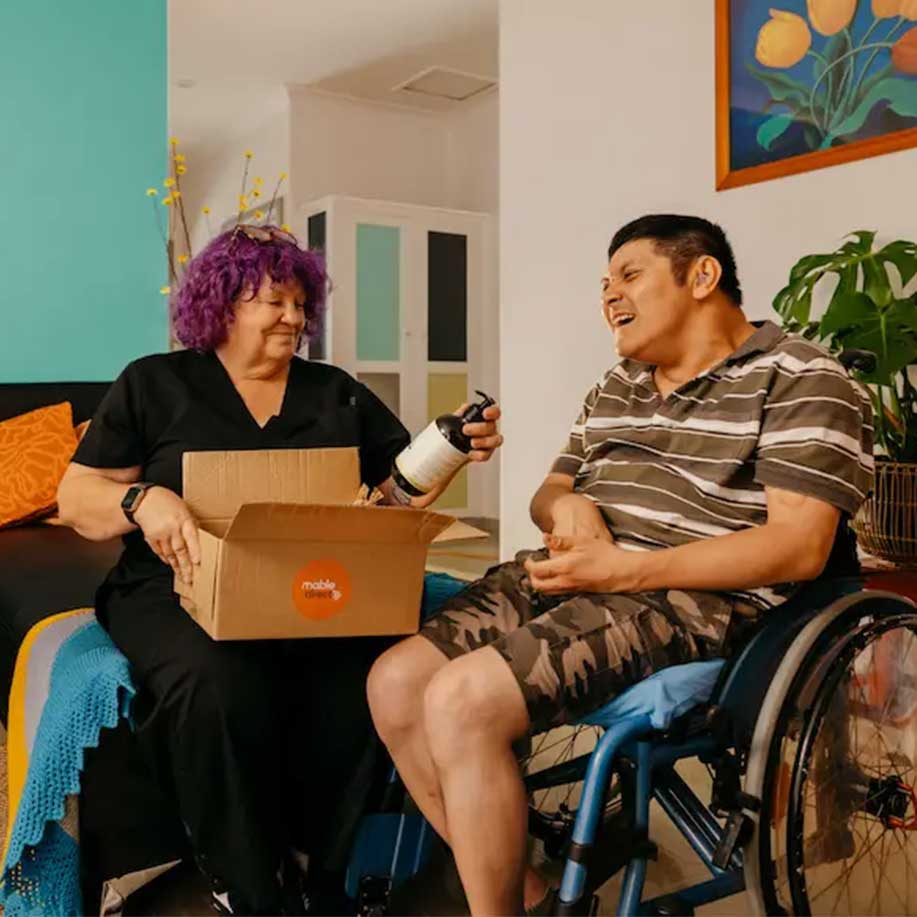
As Mable entered a phase of rapid growth and organisational change, there was a critical need to scale delivery while staying closely aligned to customer and support worker needs. We led a strategic shift across product, design, data, and engineering—introducing lean, agile ways of working and reorienting teams around engagement as a core success metric. This case study outlines how we empowered squads, streamlined delivery, and drove measurable impact through a values-led, experimentation-driven approach.
Role
Product Design Manager
Company
Mable

Location

Sydney

Mable stats, Apr 2025

25M+ Care hours delivered

28k+ Active NDIS and aged care clients

21k+ Active support workers

As part of Mable’s leadership team, we established the foundations for a scalable, high-performing design and delivery practice. My key achievements were:

CX Tribe strategy, vision, and mission
‘Mable Lean’ framework: end-to-end process across product, design, data, and engineering
Defined ways of working, including roles and responsibilities
Team development framework aligned to capability growth
‘Small batch’ research: fast, focused customer discovery and usability testing
Design feedback sessions and retrospectives
Peer coaching model
Jira for managing design workflow
Centralised design system
Intopia accessibility training for product and design teams
Dedicated learning time to support growth and upskilling
Establishing service design practice

“We made experimentation part of the culture—giving teams space to test, fail, learn, and grow.

–Project reflection journal
The problem
Mable was in a period of rapid growth, scaling from 50 to 250 staff in just 12 months following significant financial backing. A company-wide restructuring introduced a new C-Suite team and marked the beginning of a shift toward leaner practices and delivery. At the heart of this transformation was a focus on increasing our key metric—‘delivered care’ hours—and expanding both our client and support worker base to reach more Australians in need of care and those providing it.
The approach
We brought together product, design, data, and engineering across three tribes—Onboarding, Manage, and Retention—to redesign ways of working with a lean, agile mindset during a two-day leadership off-site. I led the vision, guiding five squads to define their own goals using tools like Lean Canvas and Jobs-to-be-Done. By making engagement our north star metric, we tracked segment-specific events to measure feature impact and drive retention. Our lean framework—Problem, Explore, Validate, Build, Measure—enabled fast user testing, built accountability, and kept squads aligned to their metrics and mission.

–Team workshop, customer journey

–Creating Jira design workflows

–Project pack sketches

The outcome
Experimentation fostered alignment and connection across our tribe, creating space for failure and allowing processes to adapt to each squad and project’s needs. Empowered to own their deliverables, teams combined data-driven insights with mutual trust to accelerate delivery and gain strategic buy-in across the organisation. The impact was clear—one squad boosted overall engagement by 6 percentage points in just a month.

“Every feature we designed, every process we improved, came back to one thing: helping more Australians receive the care they need.

–Personal reflection.

Image sources

Read next case study

Leading a team to redesign an Everyday Rewards loyalty program with 9+ million members.
Leading a design team to develop a design strategy for AdaptNSW.
Creating Atlassian’s customer experience strategy.