Telstra

Telstra

Defining the experience strategy for a 0→1 clean energy product

As Telstra expanded into clean energy, I led experience strategy and design for a new consumer electricity and gas product. The work focused on defining seamless digital sales and support journeys, shaping an MVP and phased roadmap, and aligning a new energy experience to Telstra’s existing ecosystem and design system.

While the initiative was ultimately paused, the engagement delivered a validated experience strategy, prioritised use cases, and delivery-ready foundations, positioning the organisation to move quickly if and when the product resumed.

Role
Product Design Lead
Organisation
Telstra
Focus
Greenfield 0-1 product strategy, product design, MVP definition

“People don’t think what they feel, don’t say what they think and don’t do what they say.”

–David Ogilvy, The Intention-Action Gap
The challenge
Telstra was entering a new category, integrating energy services into an established telco ecosystem with very mature platforms, data models, and customer expectations.

The challenge was to:
  • Design a greenfield energy experience without reinventing existing Telstra patterns
  • Balance speed to market with trust, clarity, and regulatory complexity
  • Align multiple stakeholders around a clear MVP scope and delivery path
  • Reduce risk while exploring a new commercial and service model
Success depended on making the right early decisions.

“By focusing on what customers actually need, not just what’s possible, we set Telstra up to launch energy services with impact from day one.

–Project reflection journal
My role & responsibilities
As Lead Experience Designer, I:
  • Defined the end-to-end experience strategy for Telstra Energy
  • Led customer journey mapping across sales, onboarding, and support
  • Developed energy-specific customer use cases and prioritisation frameworks
  • Facilitated cross-functional workshops to align design, product, and delivery
  • Shaped the MVP scope, phased roadmap, and fast-follow plan
  • Ensured alignment to Telstra’s design system, accessibility standards, and platforms
Approach & thinking
I treated the work as a strategy and risk-reduction exercise, not just a design problem.

Key elements included:
  • Competitor and market journey mapping to identify experience expectations and gaps
  • Mapping existing Telstra flows, assets, and data to avoid duplication and friction
  • Applying Jobs-to-Be-Done and desirability/viability/feasibility lenses to prioritise concepts
  • Co-design workshops to align stakeholders on trade-offs and sequencing
  • Iterative concept testing and usability validation to de-risk early decisions
This approach ensured the MVP was both achievable within Telstra’s ecosystem and meaningful to customers entering an unfamiliar category.

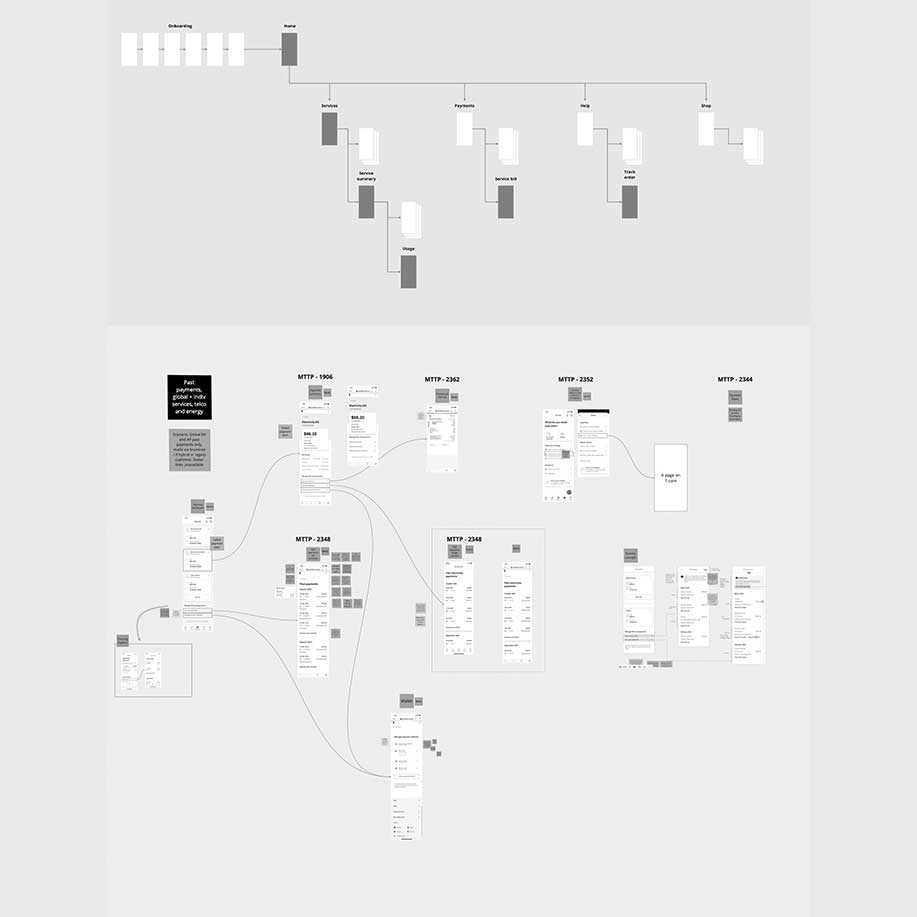
–Wireframes and flows

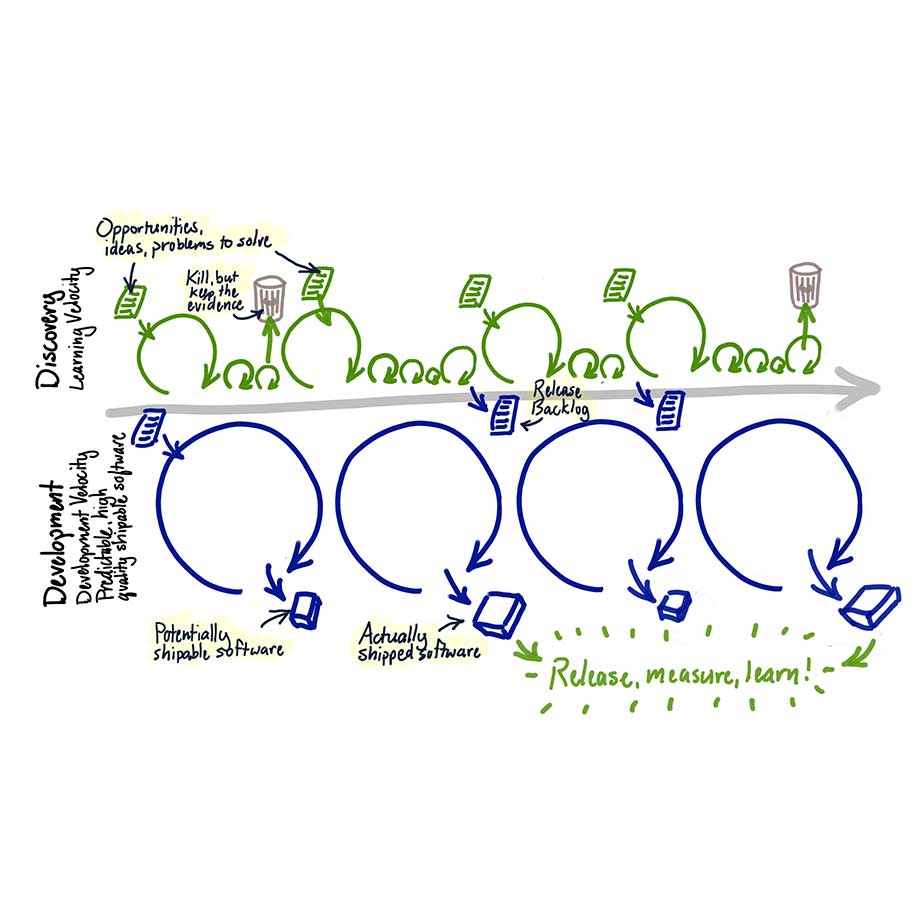
–Dual track Agile approach

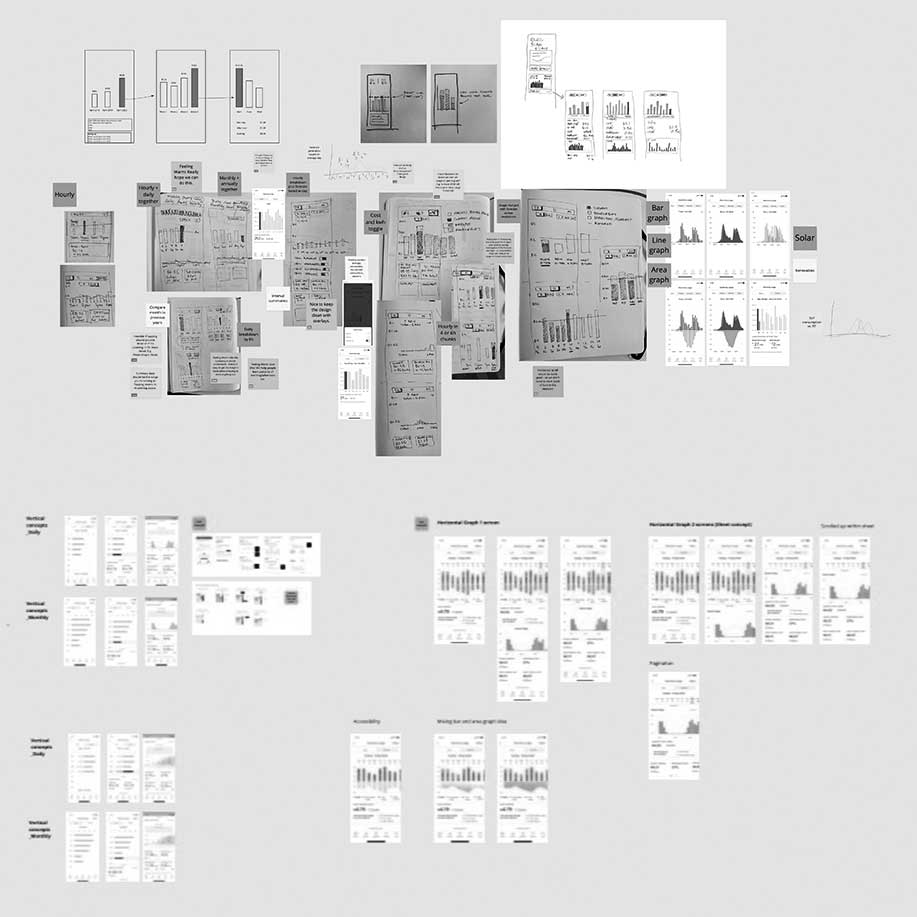
–Ideation workshop concepts, sketches and UI mockups

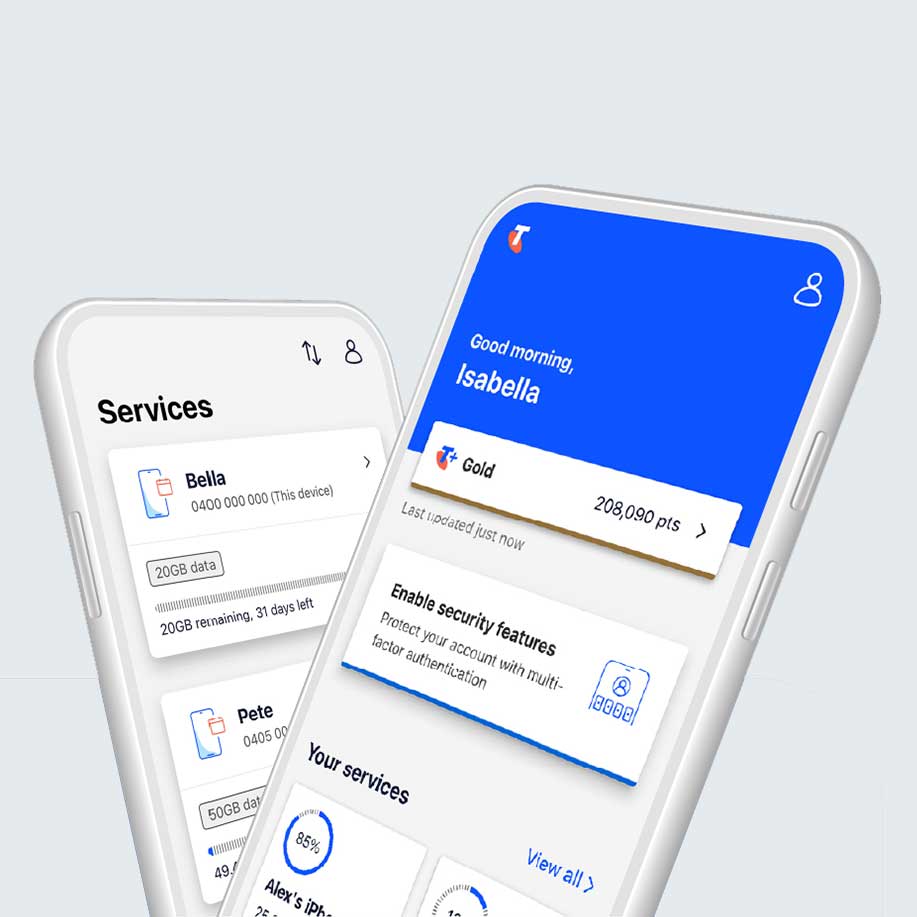
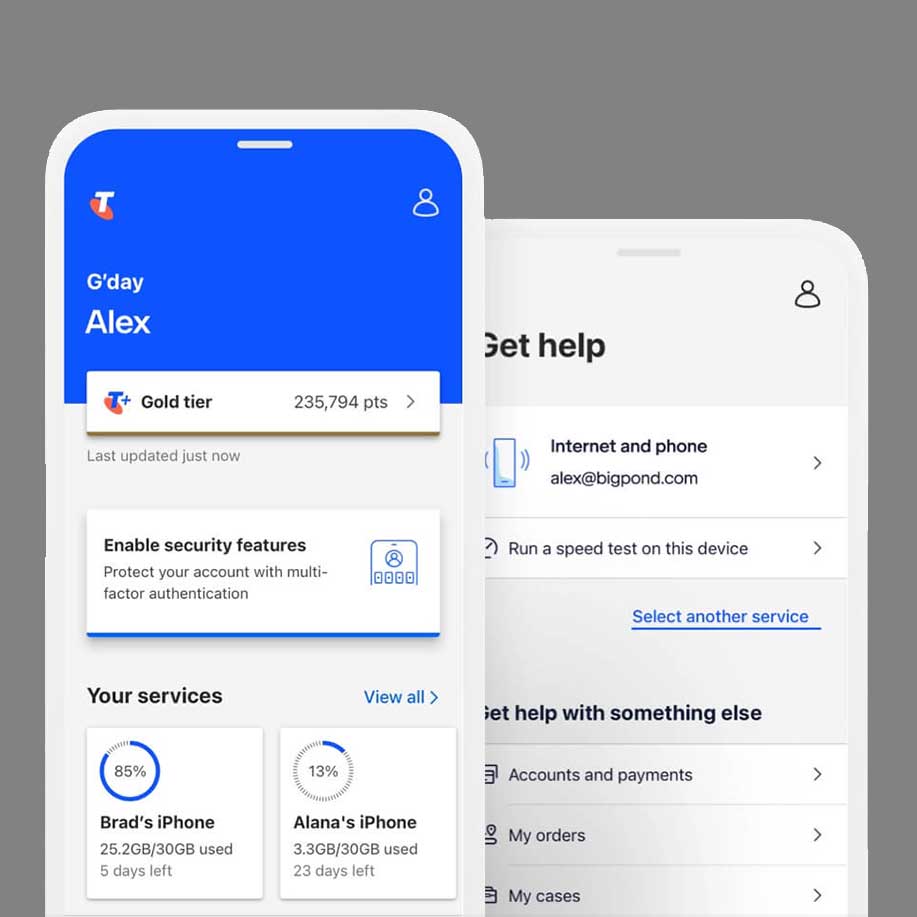
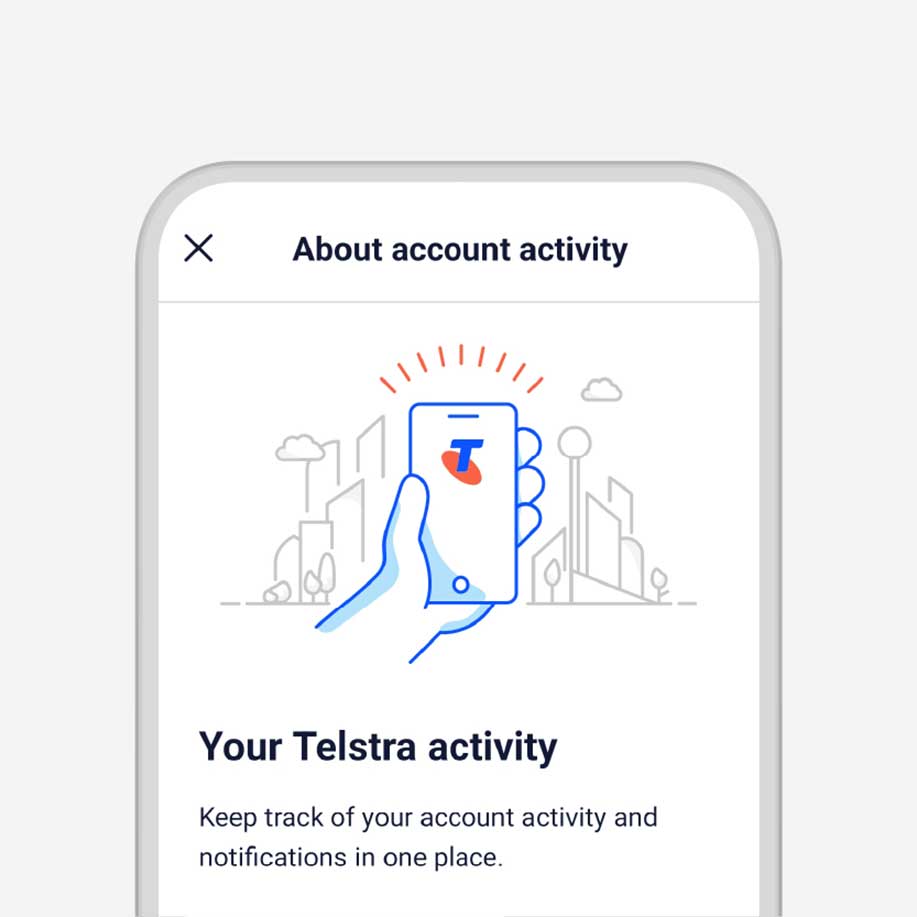
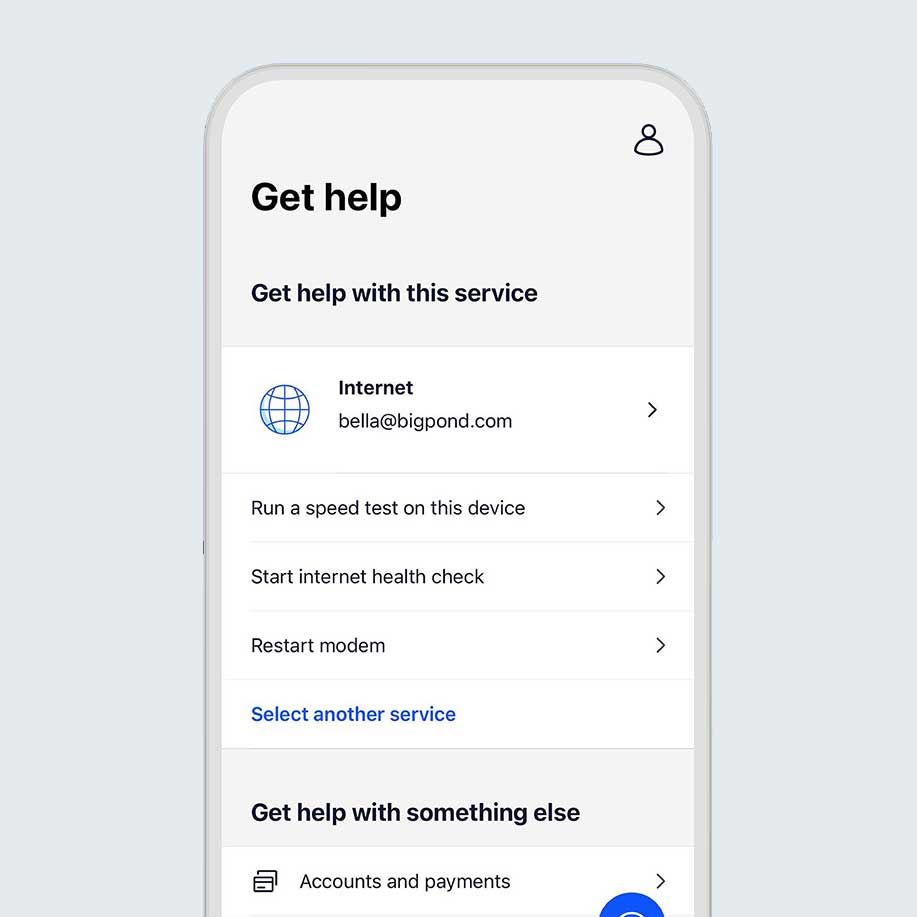
–My Telstra app

Outcomes & impact
Although the product did not progress to launch, the work delivered significant strategic value:
  • Defined a clear, customer-centred experience strategy for Telstra’s entry into energy
  • Established validated customer journeys and use cases spanning sales and support
  • Delivered a prioritised MVP and phased roadmap grounded in user needs and feasibility
  • Aligned multiple teams around a shared vision and delivery plan
  • Created delivery-ready foundations, including design patterns and usability insights
  • Reduced future execution risk by resolving key experience and integration questions early
Two cross-functional squads were formed and ready to proceed when the initiative was paused.

“Did you know that you can increase the amount of renewable energy you’re using by shifting the time at which you draw power from the grid? With our Electricity Shifting Challenge and Clean Energy Tracker, this is easier than you might think.

–Luke Hopewell, Editor, tech expert and Senior Specialist Writer at Telstra Exchange

Read next case study

Leading a remote 20 person design team working across 5 product teams.
Leading a team to redesign an Everyday Rewards loyalty program with 9+ million members.
Leading a design team to develop a design strategy for AdaptNSW.